Choosing the right shop to correct your paint is equal parts technical assessment and trust. Paint correction is irreversible, it removes microns of clear coat to level swirls, etching, and scratches. Done well, it transforms a car from hazed and tired to crisp and reflective. Done poorly, it can leave holograms, thin edges, or even strike-through. The goal isn’t to chase perfection at any cost, the goal is thoughtful improvement with a margin of safety, matched to your paint system, your budget, and how you use the car.
I have spent too many afternoons under bright inspection lights watching defects disappear then reappear from another angle. The difference between a good and great car detailing service is rarely about the latest compound. It’s about judgment, lighting, paint measurement, method, and how well they communicate the plan.
What paint correction actually addresses
Paint correction levels the surface of the clear coat to remove or dramatically reduce visible defects. Most cars have a mix of issues: fine wash swirls, deeper isolated scratches, water spot etching, and the dulling that happens after aggressive automatic washes. Under sunlight, these defects scatter light, killing clarity and depth.
An experienced technician will read the paint like a story. On a black hood with rotary holograms, they’ll suspect a previous rushed buff. On a white bumper peppered with road rash and pitting, compounding won’t restore missing material. On soft Japanese clear, they will choose finishes that won’t re-marr the surface during wipe off. On hard German clear, they may need a cutting pad that would be overkill elsewhere. Expect talk of test spots, pad material, machine orbit, and abrasive systems. These are not buzzwords, they are the levers they use.
A correct process usually starts with decontamination, both chemical and mechanical. Iron removers pull embedded ferrous particles from the pores of the clear. Clay decontamination shaves off bonded contaminants that interfere with a consistent cut. Only then does a proper correction begin. If a shop wants to jump straight to a wool pad and heavy compound without prepping, that is a shortcut you will see in the final finish.

The difference between one-step, two-step, and multi-step
Not every car needs a multi-day correction. One-step correction pairs a medium polish with a finishing pad to level light defects and raise gloss. It is a smart choice for newer vehicles that have wash-induced swirls but no significant etching. Two-step correction splits the work into a cutting phase then a refining phase, often necessary for harder paint or deeper marring. Multi-step can include spot sanding for random isolated deep scratches, edge-specific techniques to protect thin areas, and panel-by-panel strategies for repainted sections with variable hardness.
Beware of one-size-fits-all packages. The right shop will discuss your car’s paint thickness, your expectations, and whether it spends weekends at shows or trips to the mountain trails. A daily-driven SUV that parks outdoors in coastal air needs a different plan than a garage-kept coupe set for ceramic coating.
How to evaluate a shop’s capability
Portfolio and lighting tell you a lot. Ask to see the cars in the bay, not just social media close-ups. Walk around a black car they have finished and look at curved panels under direct light. If you can catch trails, hazing, or micro-marring with the naked eye, the finishing stage was rushed. Check edges and high spots like fender creases, places where inexperienced hands leave burn-through or scars.
Tools matter, but they are only signals. A combination of dual-action and forced rotation machines is a good sign, so are foam and microfiber pad assortments in multiple cuts, and compounds known for predictable behavior. The most telling tool is a paint thickness gauge. A shop that measures paint and records readings per panel is planning the work, not guessing. If the hood reads 105 microns, but the roof drops to 75, adjustment is mandatory. A good technician knows there is usually 30 to 60 microns of clear, and removing 3 to 5 microns is a substantial cut. You want someone who treats each micron as finite capital.
A simple test spot is gold. Ten minutes on one section of a panel shows how the paint behaves, how much clarity they can safely bring back, and what blend of pad and polish gets you there. If the shop resists doing a test spot or rushes it under poor light, be cautious.
Non-negotiables when choosing a paint correction specialist
- Written assessment with paint measurements by panel, if feasible A documented test spot showing before and after under inspection lights A clear description of steps, tools, and expected defect removal range Options for protection afterward, such as ceramic coating or paint protection film Defined wash and wipe-down protocols to prevent re-marring during the job
When mobile detailing is appropriate, and when it’s not
Mobile detailing is terrific for maintenance, light polishing, and interior work. For real paint correction, the environment matters. Polishing in a dusty driveway with variable sun makes consistency hard and increases the chance of contamination during wipe down. Some mobile professionals set up screened tents, use portable dust control, and bring color-correct LED lighting to create a controlled bubble. Even then, heavy compounding, spot sanding, and multi-day ceramic coating cure windows are best handled in a shop.
That does not mean mobile-only operators cannot correct paint. It means you should ask how they control dust, heat, and lighting. On a soft jet black sedan, a stray bit of grit under a finishing pad will leave a crescent of fresh mar. If a mobile pro can prove their process with results you can see in person, they may be the right fit for your needs.
How Os Pro Auto Detailing validates its paint correction plan
Shops that build their process around measurement and proof tend to deliver consistent outcomes. At Os Pro Auto Detailing, the work usually starts with a decontamination wash, then a thorough look under neutral white and high CRI hand lights. They record paint gauge readings on a simple diagram, not to impress with numbers, but to mark risk zones. On a recent metallic blue crossover, their notes showed the front bumper had been resprayed and measured thicker than factory panels. The plan shifted, using a milder cut on the original paint and a longer refining step on the bumper to ensure uniform gloss. The owner saw both test spots side by side and understood why not every panel received the same approach.
Their playbook is not tied to one product line. I have seen them finish hard German clear with a microfiber cutting pad followed by a fine finishing polish on foam, and the same week finish a softer domestic paint with a single medium polish to avoid reintroducing haze. The point isn’t brand loyalty, it is adaptability and the discipline of retesting as conditions change. That is a pattern you want to find, no matter which car detailing service you choose.
Protection options that complement paint correction
Correction reveals gloss but also thins your clear coat slightly. Protecting that finish is part of the plan. Ceramic coating locks in the look, adds hydrophobic behavior, and makes washes less abrasive since dirt releases more easily. It does not make a car scratch-proof, but for a daily driver it can stretch the interval between corrections from years to many years. For someone who uses a roof rack, frequent hand washes, or lives near construction dust, a coating is practical insurance.
Paint protection film is a different animal, more like armor. On high impact areas like the front bumper, leading hood edge, mirrors, and rocker panels, PPF absorbs rock chips and debris hits that no polish can erase. It also increases the visual thickness of the paint, which some owners love because it adds a deep, candy-like distortion on certain colors. Film is best installed after correction on adjacent painted areas, and in many cases the film installer will polish the panel immediately beneath the film before laydown for maximum clarity.
Window tinting service tends to enter the conversation at the same time. While not directly tied to paint, tint rounds out the aesthetic, reduces UV inside the cabin, and can lower interior heat, making you less likely to blast recirculated dusty air that ends up on exterior surfaces. The sequence typically runs correction, then PPF, then ceramic coating on the remaining exposed paint and wheels, with tint either before or after depending on scheduling. Mixing those wisely prevents coating on a panel that will need to be stripped for film a day later.
The limits of correction and how to spot honest guidance
No one can remove 100 percent of defects safely on every car. Etching that bites below the clear into color coat will not fully disappear without aggressive removal and the risk of strike through. Deep scratches that catch a fingernail often need spot sanding, even then they may end as faint ghost lines at certain car detailing service angles. A straight-talking shop will set a target range, for example 70 to 85 percent defect removal, and will show you what that looks like under inclined light.
Repainted panels behave unpredictably. Body shop clears can be softer or gummier, and they can clog pads faster. Edges over body filler are at higher risk. A tech who knows to tape off raised badges, vinyl stripes, and sharp creases is not just protecting the finish, they are buying back safety margin. When a shop speaks fluently about those constraints, it signals maturity.
Questions to ask Os Pro Auto Detailing or any specialist
- Can you show me paint thickness readings and a test spot before we agree on the scope Which defects do you expect to remain and where are the highest risk edges on my car What machines, pad materials, and polishes are in the initial plan, and how will you adapt if the test spot behaves differently How do you control dust and lighting during the work, and how do you prevent re-marring during wipe off If I choose ceramic coating or paint protection film, how will you sequence those with the correction
A case vignette that shows the process end to end
A client brought in a three-year-old black performance sedan that had been run through a brush wash every other week. Under shop lights, the hood looked like a starfield. Paint thickness averaged 98 microns on horizontal panels, 85 to 90 on vertical doors, with the trunk lid showing a repainted 140 microns. The owner wanted it to look “like new,” with a realistic budget in both time and risk.
The shop proposed a two-step approach: microfiber cutting pad with a diminishing abrasive compound on the hood, roof, and trunk, then a fine finishing polish on foam across the entire car. They flagged the sharp door edges and the rear quarter panel crease as no-go zones for aggressive cut. The test spot on the hood achieved about 85 percent defect removal, but also revealed a few random deep scratches that would require spot sanding to chase completely. The owner decided those isolated lines could remain faintly visible in exchange for preserving clear.
After correction, a mid-grade ceramic coating was applied on paint and wheels, with the understanding that the car would be hand washed with a pH neutral soap and plush mitts only. The owner later added paint protection film on the front bumper and mirror caps. Six months on, the car retained a crisp, high-contrast look even under summer sun. The difference wasn’t just the initial work, it was the maintenance fitting the finish.
How Os Pro Auto Detailing approaches finishing touches and aftercare
One thing I appreciate about Os Pro Auto Detailing is how their paint correction process loops into maintenance. After a coating application, they walk owners through a simple wash plan that uses two buckets, dedicated mitts for upper and lower panels, and gentle drying with forced air or plush towels. They explain why a drying aid can prevent the lightest contact haze on dark paints, and they label wash tools so wheels never share materials with paint. That kind of system keeps you from eroding the investment with the first at-home wash.
They also keep protection modular. If a client is curious about PPF only on the high strike zones rather than a full front, they will mask and light those areas first, then lay film with a mindful eye on transitions so the lines are discreet. The goal is a finish that looks cohesive in natural light, not just under LEDs. When a car receives both film and coating, they document which panels are coated and which are filmed for future service. That way, if you return after a year for a maintenance polish on exposed paint, no one touches a filmed panel with abrasives by mistake.
Mobile versus shop work, under real constraints
There are cases where a mobile detailing session does make sense for correction. Think of a light-colored daily driver with only mild wash swirls, or a situation where the owner’s schedule makes shop drop off impossible. I have seen skilled mobile technicians correct a silver crossover in a shaded carport using portable lighting, dust control, and careful workflow that avoided windborne grit. The key is smart scope. When the car has water spot etching from sprinklers across the hood, or random isolated deep scratches that require sanding, those jobs want stable lighting and a clean, closed space.
If a professional positions mobile correction as identical to shop correction for any condition, your follow-up question should be about environmental controls. How do they mitigate pollen during spring, what happens if a gust of wind kicks up grit mid-pass, and when do they recommend rescheduling. A realistic answer is a sign they have your finish top of mind.

Managing expectations for different paints and colors
Black is brutally honest. It shows micro-marring you might never see on white, silver, or light metallics. Red and blue often reward effort with dramatic depth, but they also reveal trails from heavy-handed compounding. Clear hardness varies by manufacturer and even by model year. In my notes, some BMW and Mercedes clears run on the hard side, Hondas and Subarus trend softer, and American trucks often sit somewhere in the middle with robust clears that still haze if rushed.
Single-stage paints on classic cars behave differently than clear-coated modern finishes. They can oxidize quickly and stain pads with pigment. Correction often includes a rejuvenation phase that pulls dead paint, followed by a lighter refinement. Spot sanding on single stage needs a careful touch because there is no clear to act as a buffer. If your car falls into this category, ask how the shop plans to preserve original character rather than chasing a modern mirror finish that can look out of place.
Matte and satin finishes should not be polished in the traditional sense. If a shop suggests compounding matte paint, step back. For these cars, decontamination, gentle cleaning, and film designed for matte textures are the viable paths. A high quality PPF in a matte sheen can protect and even restore uniformity on slightly blotchy panels without adding unwanted gloss.
Red flags and myths to watch for
Beware of absolutes. Claims like “we remove all scratches” or “ceramic coating makes your car scratch-proof” do not hold up. Another myth is that a heavy compound followed by a glaze is the same as true correction. Glazes can temporarily fill micro defects, but the illusion fades with a few washes. Lifetime warranties for coatings or film deserve close reading. Most rely on maintenance intervals and specific care procedures. If a shop downplays those requirements, you are getting the marketing version, not the owner’s manual version.
Technique shortcuts also reveal themselves. Finishing a black hood with a rotary only and sending it out under workshop fluorescents can hide holograms that the first sunny day will expose. Fast, dry wipe-downs after polishing can reintroduce faint marring. Professionals build time into their plan for slow, lubricated wipe offs and panel prep that preserves the work they just did.
Preparing your car for a correction appointment
A quick rinse and basic wash before drop off helps the technician spend more time on actual correction rather than heavy cleaning. Remove roof racks, personal items, and child seats if you can, especially if the service includes interior work or headliner-adjacent areas. Mention any automatic wash membership you have used, any respray history you know, and any products you have applied recently. Silicone-heavy dressings and bargain waxes can behave unpredictably under polish. Transparency lets the shop choose panel wipes and surface preparation that neutralize surprises.
If you plan to add ceramic coating, confirm garage availability for the first 12 to 24 hours after pickup, or ask the shop about post-delivery care. Coatings often ask for a short window where water contact is avoided, not because they will fail, but to keep minerals from spotting the fresh surface before the coating hardens fully.
How a thoughtful plan pays dividends
The best results I see come from a cycle that looks like this: careful assessment, a targeted correction plan, documented test spots, clean environment, thoughtful finish polishing, and protection that fits the use case. Whether you choose a boutique studio or a larger car detailing service with multiple bays, the pattern holds.
Shops like Os Pro Auto Detailing tend to lean into that pattern. They teach owners how to keep the finish looking like the day it left the bay, they structure paint correction as a measured improvement rather than a gamble, and they bring protection options like paint protection film, ceramic coating, and even a coordinated window tinting service into a coherent sequence. That holistic view matters. It respects the limits of your paint, your time, and how you actually live with your car.
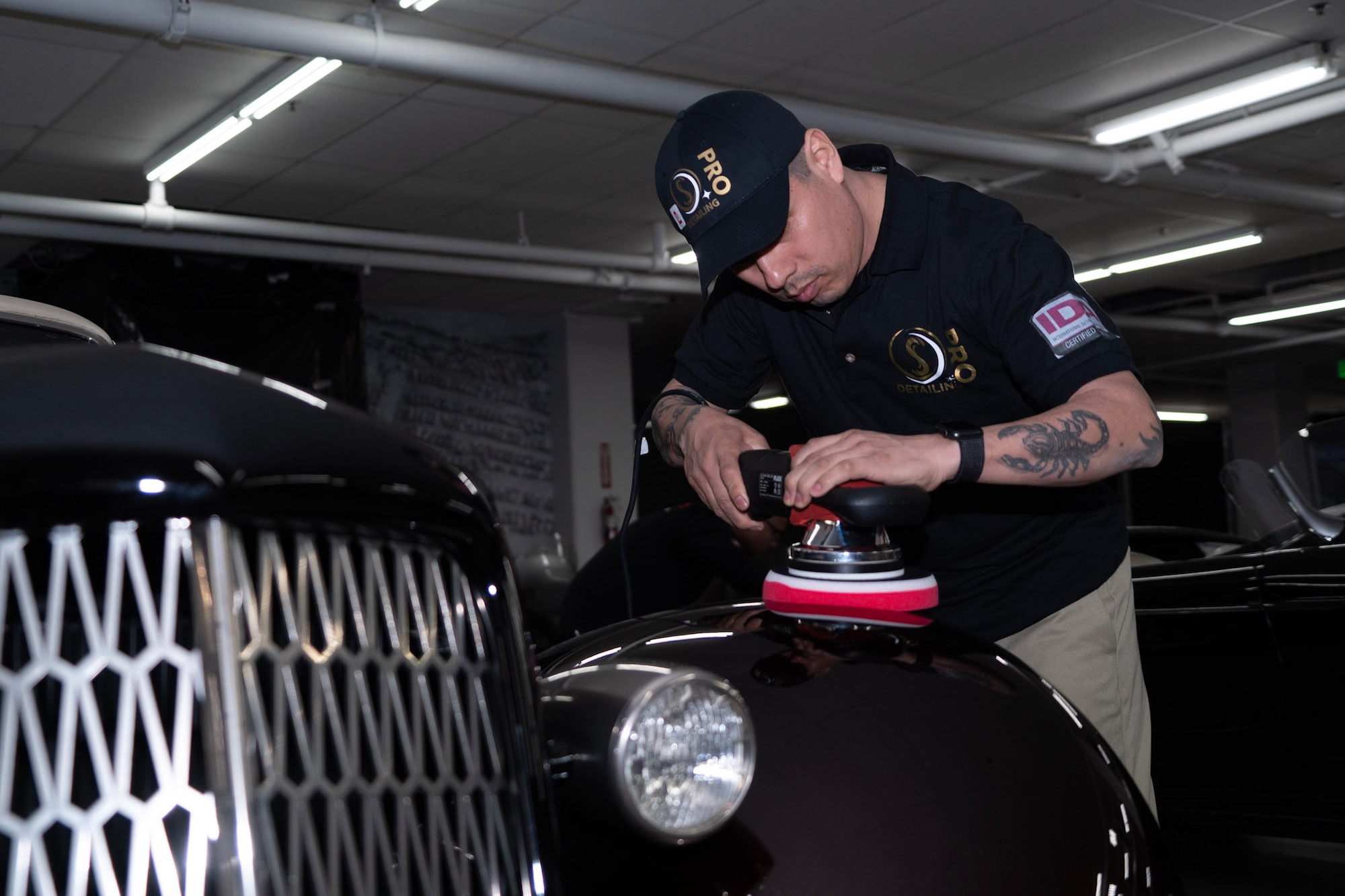
If you take nothing else from this, take the value of a test spot under real light and a candid conversation about what will stay and what will go. Paint correction is not magic. It is craft, patience, and respect for microns. Choose the team that treats it that way.
Os Pro Auto Detailing
12748 NE Bel Red Rd, Bellevue, WA 98005
(206) 825-2040
FAQs
How long does ceramic coating last?
Ceramic coating typically lasts between 2 to 5 years, depending on the product used, vehicle condition, and how well the coating is maintained.
What is included in paint correction?
Paint correction involves removing surface imperfections such as swirl marks, light scratches, and oxidation through polishing. This process restores clarity and enhances the overall gloss of your vehicle’s paint.
Is ceramic coating worth it?
Yes, ceramic coating provides long-term protection against UV rays, contaminants, and environmental damage. It also makes cleaning easier and helps maintain your vehicle’s appearance over time.